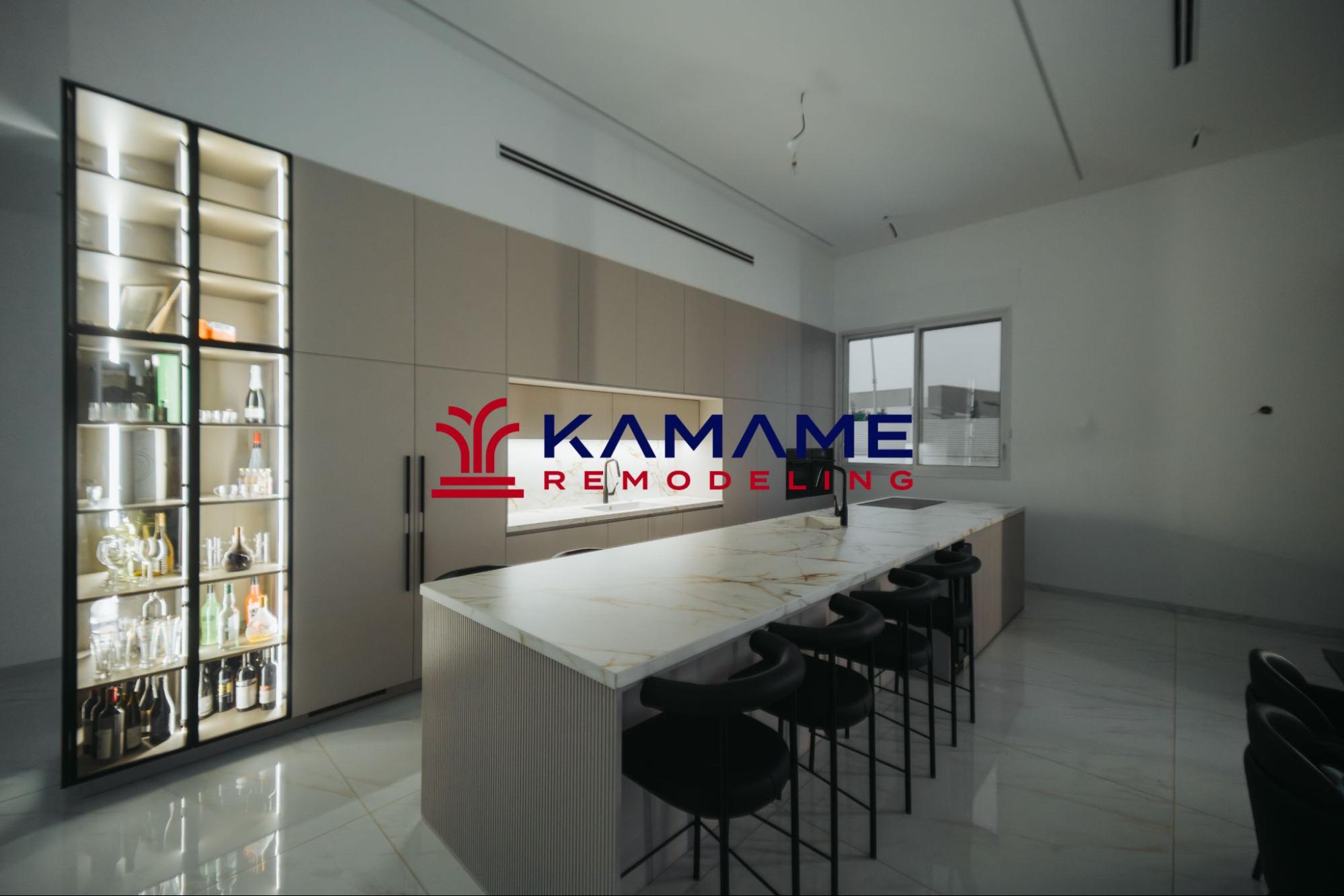
Choosing between modern vs. traditional decor can be daunting, as each style offers unique characteristics that cater to different tastes and lifestyles. Modern decor is often associated with minimalism, clean lines, and a focus on functionality, while traditional decor embraces classic elements, rich textures, and ornate details. This article will explore the defining features of both styles, helping you determine which one aligns best with your personal preferences and functional needs. We will delve into the key characteristics of modern and traditional decor, the pros and cons of each, and how to integrate landscaping with your interior design choices. By the end, you will have a clearer understanding of how to create a harmonious living space that reflects your style.
What Defines Modern Home Remodeling and Decor Styles?
Modern home remodeling and decor styles emphasize simplicity, functionality, and a connection to nature. Open floor plans are a hallmark of modern design, allowing for fluid movement between spaces and maximizing natural light. High-quality materials, such as glass, steel, and sustainable wood, are commonly used to create a sleek and contemporary aesthetic. Additionally, smart home integrations are increasingly popular, enhancing convenience and energy efficiency. This focus on innovation and minimalism sets modern decor apart from its traditional counterparts.
Which Key Characteristics Distinguish Modern Interior Design?
Modern interior design is defined by several key characteristics that contribute to its unique aesthetic. Aesthetic sophistication is achieved through clean lines and a limited color palette, often featuring neutral tones with occasional bold accents. Functional innovation is another hallmark, as modern design prioritizes practicality without sacrificing style. Sustainability is also a growing trend, with many modern designs incorporating eco-friendly materials and energy-efficient solutions. These elements work together to create spaces that are not only visually appealing but also conducive to a modern lifestyle.
How Do Minimalist Furniture and Color Palettes Shape Modern Decor?
Minimalist furniture and color palettes play a crucial role in shaping modern decor. The use of neutral colors, such as whites, grays, and beiges, creates a calming atmosphere that allows for easy coordination with various design elements. Simplicity in design is emphasized, with furniture pieces often featuring clean lines and functional forms. Functional furniture, such as multi-purpose pieces, is favored to maximize space and utility. This minimalist approach not only enhances a room’s visual appeal but also promotes a sense of tranquility and order.
What Are the Defining Features of Traditional Home Decor Styles?
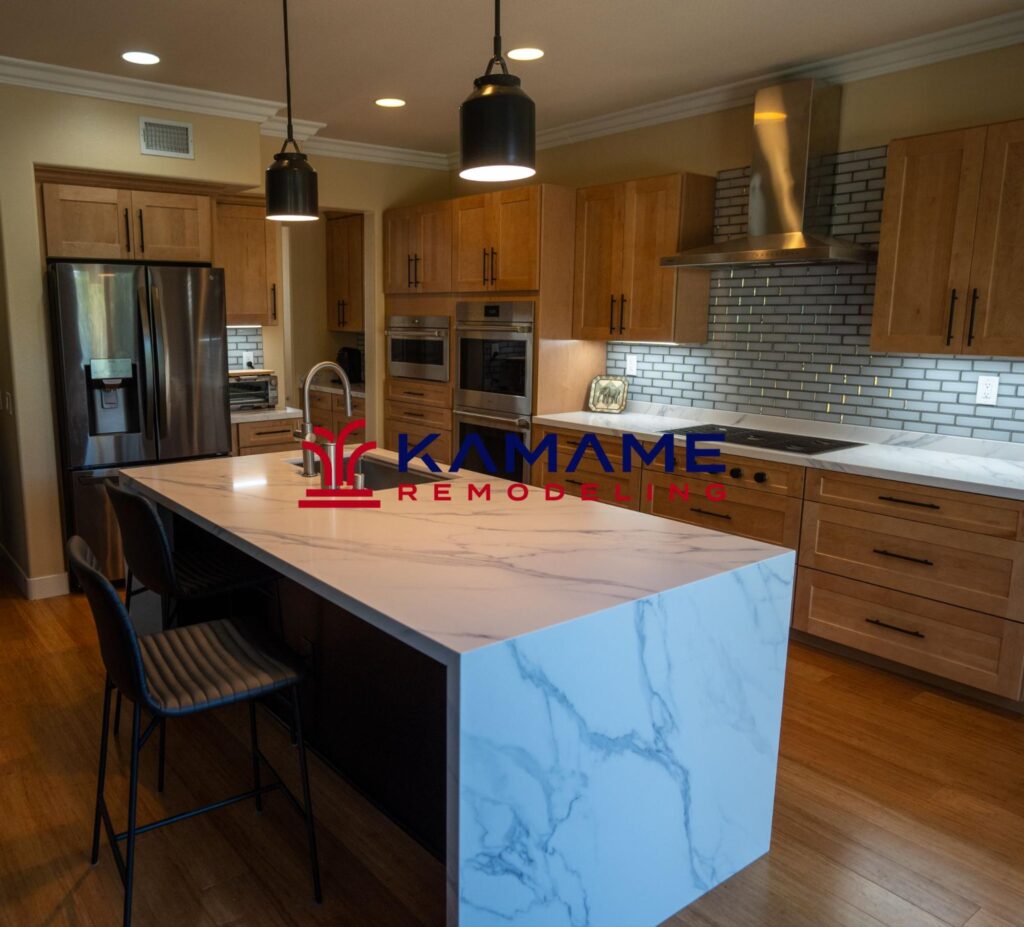
Their rich history and timeless appeal characterize traditional home decor styles. Classic furniture pieces, often crafted from dark woods and adorned with intricate carvings, are central to traditional design. Ornate woodwork, such as crown molding and wainscoting, adds depth and elegance to spaces. Additionally, traditional decor often incorporates rich color schemes, warm tones, and textured fabrics to create a cozy, inviting atmosphere. These defining features contribute to the overall charm and sophistication of traditional interiors.
How Does Classic Furniture and Ornate Woodwork Influence Traditional Design?
Classic furniture and ornate woodwork significantly influence traditional design by providing a sense of history and craftsmanship. Timeless appeal is achieved through well-crafted pieces that showcase the artistry of skilled artisans. The craftsmanship of intricate woodwork adds a layer of sophistication and detail that is often lacking in modern designs. Cultural significance is also a factor, as traditional decor often reflects the heritage and values of the time period it represents. This connection to history makes traditional design a popular choice for those seeking a sense of continuity and warmth in their homes.
What Color Schemes and Materials Are Common in Traditional Interiors?
Traditional interiors typically feature color schemes that evoke warmth and comfort. Warm colors, such as deep reds, rich browns, and soft golds, are commonly used to create a welcoming environment. Natural materials, such as wood, stone, and textiles, are favored for their durability and aesthetic appeal. Textured fabrics, including brocades, velvets, and damasks, add depth and richness to traditional spaces. These elements work together to create a cohesive, inviting atmosphere characteristic of traditional decor.
How to Choose Between Modern and Traditional Styles Based on Your Lifestyle?
Choosing between modern and traditional styles involves considering your design preferences, functionality needs, and budget. Here are some key factors to consider:
- Design Preferences: Reflect on your personal style. Do you prefer clean lines and minimalism, or do you gravitate towards ornate details and classic elements?
- Functionality Needs: Consider how you use your space. Modern designs often prioritize open layouts and multi-functional furniture, while traditional designs may offer more defined spaces and classic furnishings.
- Budget Considerations: Evaluate your remodeling budget. Modern decor can sometimes be more cost-effective because it uses simpler materials and designs, while traditional decor may require an investment in high-quality, handcrafted pieces.
What Are the Pros and Cons of Modern vs. Traditional Decor?
When comparing modern and traditional decor, it’s essential to weigh the pros and cons of each style:
Modern Decor Pros:
- Simplicity: Modern decor emphasizes clean lines and minimalism, creating a clutter-free environment.
- Functionality: Many modern designs prioritize practicality, making spaces more usable.
- Sustainability: Modern decor often incorporates eco-friendly materials and energy-efficient solutions.
Modern Decor Cons:
- Cold Aesthetic: Some may find modern designs lacking warmth and character.
- Limited Personalization: The minimalist approach can sometimes feel impersonal.
Traditional Decor Pros:
- Timeless Appeal: Traditional decor offers a classic look that never goes out of style.
- Warmth and Comfort: Rich colors and textures create a cozy atmosphere.
- Cultural Significance: Traditional designs often reflect historical and cultural values.
Traditional Decor Cons:
- Maintenance: Ornate details and classic furnishings may require more upkeep.
- Cost: High-quality traditional pieces can be more expensive.
Understanding these pros and cons can help you make a more informed decision about which style best suits your needs.
What Landscaping Ideas Complement Modern Home Remodeling?
Landscaping ideas that complement modern home remodeling often focus on clean lines and minimalism. Here are some popular options:
- Concrete Pavers: These provide a sleek, contemporary look for walkways and patios.
- Outdoor Kitchens: Modern outdoor kitchens enhance entertaining spaces and promote outdoor living.
- Eco-Friendly Solutions: Incorporating native plants and sustainable materials can create a beautiful, low-maintenance landscape.
These landscaping ideas can enhance the overall aesthetic of modern homes, creating a cohesive and inviting environment.
How to Match Traditional Outdoor Designs with Interior Themes?
Matching traditional outdoor designs with interior themes involves ensuring consistency in materials, colors, and architectural styles. Here are some tips:
- Material Consistency: Use similar materials for both indoor and outdoor elements, such as wood and stone, to create a unified look.
- Color Palette: Choose a color palette that reflects the warm tones commonly found in traditional interiors.
- Architectural Style: Ensure outdoor structures, such as pergolas or gazebos, align with your home’s architectural style.
By maintaining consistency between your indoor and outdoor spaces, you can create a harmonious and inviting environment.
Which Renovation Strategies Enhance Modern Minimalist Spaces?
To enhance modern minimalist spaces, consider the following renovation strategies:
- Open Floor Plan Conversions: Removing walls can create a more spacious and airy feel.
- Smart Home Integrations: Incorporating technology can improve functionality and efficiency.
- Intelligent Space Planning: Thoughtful furniture placement can maximize space and maintain a clean aesthetic.
These strategies can help you create a modern minimalist environment that is both functional and visually appealing.
Design a Home That Reflects Your Personal Style
Interior design plays a powerful role in shaping how a home feels and functions. Whether you prefer sleek, modern spaces or the warmth of traditional design, choosing the right style helps create a comfortable, inviting environment. Kamame Remodeling works with homeowners throughout Orange County to transform interiors with thoughtful remodeling solutions that match each client’s aesthetic preferences. From structural renovations to finishing touches, our team helps bring design visions to life with expert craftsmanship.
Contact us today to discuss your remodeling ideas and start creating a home that truly reflects your style.
Frequently Asked Questions
What defines modern interior design?
Modern design typically emphasizes clean lines, minimal decoration, and open spaces. Neutral color palettes and simple materials are often used to create a sleek look.
What are the key elements of traditional decor?
Traditional decor often includes detailed furniture, warm color tones, and classic architectural features. It creates a timeless and comfortable atmosphere.
Can modern and traditional styles be combined?
Yes, many homeowners blend elements of both styles to create a balanced and personalized design. This approach is often called transitional design.
Final Remodeling Advice for Homeowners
Before starting any remodeling project, choosing the right contractor is one of the most important decisions you’ll make. In the final article of this series, read “How to Choose the Best Remodel Contractor in Orange County: Expert Tips for Homeowners.”